
Top Water Treatment Plant (WTP) Suppliers in Bangladesh: 2026 Update
Your comprehensive guide to choosing the best water treatment solutions for a cleaner, healthier Bangladesh
Let me tell you something I've learned after years of working in Bangladesh's water treatment industry: finding the right water treatment plant supplier isn't just about ticking boxes. It's about partnering with someone who understands the unique challenges our country faces—from arsenic contamination to industrial pollution, from seasonal flooding to urban water scarcity.
I remember visiting a textile factory in Gazipur back in 2019. The owner had installed a cheap water treatment system from an unknown supplier. Within six months? Complete disaster. The plant couldn't handle the dyeing effluents properly, and he faced hefty fines from the Department of Environment. That's when I realised: in water treatment, you truly get what you pay for.
So, whether you're a factory owner looking to meet DOE compliance, a municipality planning to improve public health, or an entrepreneur entering the bottled water business, this guide will help you navigate Bangladesh's water treatment landscape in 2026.

Why Water Treatment Matters More Than Ever in 2026
Here's the thing about Bangladesh right now: we're at a crossroads. Our industrial sector is booming—textiles, pharmaceuticals, food processing—but our water resources? They're under tremendous pressure.
According to recent reports, nearly 50 million Bangladeshis still lack access to safe drinking water. And if you think that's just a rural problem, think again. Even in Dhaka, arsenic and heavy metal contamination are serious concerns. I've seen test reports from supposedly "clean" areas that would make your hair stand on end.
But here's the good news: the water treatment plant industry in Bangladesh has matured significantly. We now have suppliers offering world-class technology, DOE-compliant systems, and comprehensive after-sales support. The question is: how do you separate the wheat from the chaff?
What Makes a Water Treatment Supplier "Top-Tier"?
Before we dive into specific companies, let's establish what you should actually be looking for. I've developed what I call the "Five Pillars of WTP Excellence":
- Technical Expertise: Can they handle your specific water quality challenges? Bangladesh has unique contaminants—arsenic, salinity, industrial pollutants. Your supplier needs proven experience with these.
- DOE Compliance: This isn't optional. The Department of Environment has strict regulations, and non-compliance can shut down your operations overnight.
- Customisation Capability: Cookie-cutter solutions rarely work. The best suppliers design systems tailored to your water source, usage patterns, and discharge requirements.
- After-Sales Service: A water treatment plant isn't "set it and forget it." You need ongoing maintenance, spare parts availability, and emergency support.
- Financial Viability: Can you afford not just the initial investment, but the operational costs? Some systems look cheap upfront but cost a fortune to run.
The Leading Water Treatment Plant Suppliers in Bangladesh (2026)
Right, let's get into the meat of it. I've evaluated dozens of suppliers based on project portfolios, client feedback, technical capabilities, and market presence. Here's what I've found:
Specialisation: Effluent Treatment Plants, Sewage Treatment Plants, Reverse Osmosis Systems, Water Softeners, DM Plants
Notable Strengths:
- Over 8 years of focused experience in environmental restoration
- Strong track record with textile industry wastewater (the toughest challenge in Bangladesh)
- Comprehensive service model—from CAD design to installation and after-sales
- DOE compliance guarantee on all systems
- Partnerships with global water solution providers for cutting-edge technology
Why They Stand Out: What I appreciate about Pure Water Technology Bangladesh is their end-to-end approach. They don't just sell you equipment and disappear. From my interactions with their clients, the after-sales support is genuinely impressive—something rare in Bangladesh's B2B landscape.
Best For: Industrial facilities (especially textiles), commercial buildings, residential complexes needing comprehensive water treatment solutions
Contact: +8801760449180 | pwtbangladesh@gmail.com
Specialisation: Municipal water treatment, drinking water purification, industrial RO systems
Notable Strengths:
- Extensive experience with municipal projects
- Strong presence in Chittagong and Sylhet divisions
- Competitive pricing for large-scale projects
Best For: Government projects, large residential developments, municipal water supply systems
Specialisation: Arsenic removal systems, tube well water treatment, community water projects
Notable Strengths:
- Pioneering work in arsenic contamination solutions
- Strong NGO and development sector partnerships
- Cost-effective solutions for rural areas
Best For: Rural water projects, NGO initiatives, community-based water treatment
💡 Insider Tip:
When evaluating suppliers, always ask to visit their completed projects. Don't just look at the shiny new installations—ask to see plants that have been running for 2-3 years. That's where you'll see the real quality difference.
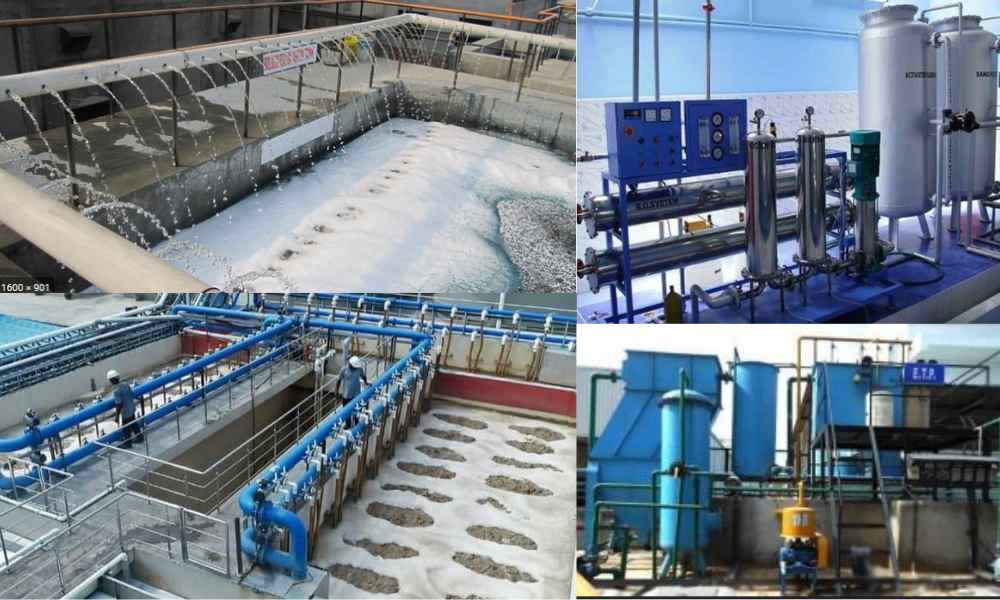
Understanding Different Types of Water Treatment Plants
Here's something that confuses a lot of first-time buyers: not all water treatment plants are created equal. You need to match the technology to your specific needs. Let me break it down:
| Plant Type | Primary Use | Key Technologies | Average Cost Range |
|---|---|---|---|
| Water Treatment Plant (WTP) | Making raw water safe for drinking/industrial use | Filtration, chlorination, UV treatment, RO | ৳5 lakh - ৳50 lakh+ |
| Effluent Treatment Plant (ETP) | Treating industrial wastewater before discharge | Chemical treatment, biological treatment, settling | ৳15 lakh - ৳1 crore+ |
| Sewage Treatment Plant (STP) | Treating human waste and domestic wastewater | Biological treatment, aerobic/anaerobic processes | ৳10 lakh - ৳80 lakh+ |
| Reverse Osmosis Plant | High-purity water production, desalination | Membrane filtration, pre/post-treatment | ৳3 lakh - ৳30 lakh+ |
| DM Plant | Producing demineralised water for industrial processes | Ion exchange, multiple bed demineralisation | ৳8 lakh - ৳40 lakh+ |
Note: Costs vary significantly based on capacity, automation level, and specific requirements.
How to Choose the Right Plant for Your Needs
I get this question constantly: "Which plant do I need?" The answer? It depends on your water source and end-use requirements.
If you're running a garment factory in Ashulia, you'll need an ETP to treat your dyeing effluents before discharge. If you're developing a residential complex in Bashundhara, you'll need both a WTP (for drinking water) and an STP (for sewage). If you're starting a pharmaceutical unit, you'll likely need DM water for your processes.
Here's my rule of thumb: start with a comprehensive water audit. Test your source water. Understand your consumption patterns. Know your discharge requirements. Only then can you specify the right system.
The Real Cost of Water Treatment (Beyond the Price Tag)
Let's talk money, because this is where most people make mistakes. You see a quotation for ৳10 lakh and another for ৳15 lakh, and you automatically go for the cheaper one. I've seen this play out badly too many times.
Here's what most quotations don't tell you:
Hidden Operating Costs You Must Consider
- Chemical Consumption: Some ETPs require expensive chemicals for treatment. Over a year, this can add ৳2-3 lakh to your costs.
- Electricity Bills: Poorly designed systems can be energy vampires. I've seen plants where the monthly electricity cost exceeded ৳50,000.
- Maintenance and Spare Parts: If your supplier doesn't stock spare parts locally, you're looking at weeks of downtime and imported parts at 3x the price.
- Operator Training: A sophisticated plant is useless if your staff can't operate it properly. Factor in training costs.
- Regular Testing and Compliance: DOE requires periodic water quality testing. Budget ৳20,000-30,000 annually for this.
What Should Your Budget Actually Cover?
When planning your water treatment investment, allocate your budget like this:
| Component | % of Total Budget | What It Includes |
|---|---|---|
| Equipment & Installation | 60-65% | Tanks, pumps, control panels, piping, civil work |
| Engineering & Design | 8-10% | CAD drawings, calculations, DOE submissions |
| Commissioning & Testing | 5-7% | System startup, performance testing, certification |
| Training & Documentation | 3-5% | Operator training, manuals, SOPs |
| Contingency Buffer | 10-15% | Unexpected issues, site modifications, extras |
| First Year Operating Reserve | 10-12% | Chemicals, spares, maintenance, testing |

DOE Compliance: What You Absolutely Must Know
Right, let's address the elephant in the room: Department of Environment regulations. This is non-negotiable stuff. Get it wrong, and you're not just facing fines—you could be shut down entirely.
I once consulted for a pharmaceutical company that installed a "compliant" ETP from a dodgy supplier. When DOE inspected, the plant failed miserably. The company faced a ৳10 lakh fine and a three-month operational suspension. The financial loss? Over ৳2 crore. All because they tried to save ৳5 lakh on the ETP.
Key DOE Requirements for Water Treatment Plants (2026)
- Discharge Standards: Your treated water must meet specific parameters for pH, BOD, COD, TSS, heavy metals, etc. These vary by industry.
- Design Approval: Before installation, your plant design must be approved by DOE. This requires detailed engineering drawings and calculations.
- Environmental Clearance Certificate: Required for all industrial and commercial water treatment installations above certain capacities.
- Regular Monitoring: You must maintain daily operational logs and conduct monthly water quality testing by DOE-approved labs.
- Annual Compliance Report: Submit comprehensive reports demonstrating your plant's performance and environmental impact.
⚠️ Critical Warning:
Never, ever accept a supplier who says "we'll handle DOE approval later" or "compliance isn't necessary for your size." These are red flags. A legitimate supplier will make DOE compliance central to their proposal, not an afterthought.
How Top Suppliers Ensure DOE Compliance
When reputable suppliers like Pure Water Technology Bangladesh guarantee DOE compliance, here's what they actually do:
- Pre-Installation Water Audit: Test your source water and understand your discharge requirements
- Customised Design: Engineer a system specifically to meet your compliance needs
- DOE Documentation: Prepare and submit all necessary paperwork for approvals
- Performance Testing: Conduct rigorous testing before commissioning to ensure parameters are met
- Operator Training: Teach your staff how to maintain compliance during daily operations
- Ongoing Support: Provide maintenance and troubleshooting to prevent compliance issues
Industry-Specific Water Treatment Challenges in Bangladesh
Different industries face wildly different water treatment challenges. Let me walk you through the major sectors:
Textile & Garment Industry
This is Bangladesh's industrial backbone, but also its biggest water polluter. Textile effluents are notoriously difficult to treat—high BOD, COD, colour, and chemical loads from dyeing and washing processes.
What you need: A robust ETP with colour removal capability, possibly including advanced oxidation or membrane technology. Don't even think about cheaping out here—textile ETPs need serious engineering.
Pharmaceutical Manufacturing
Pharma plants need ultra-pure water for manufacturing (that's where DM plants and multi-stage RO come in), but they also produce complex effluents requiring sophisticated treatment.
What you need: Both high-quality water production systems (DM/RO) and comprehensive ETP for waste streams. You'll also need robust documentation for regulatory compliance.
Food & Beverage Processing
The challenge here is organic load—high BOD from food waste, oils, and cleaning operations. But the good news? These effluents are generally treatable with biological processes.
What you need: A well-designed STP or ETP with good biological treatment capacity. Grease traps are essential before the main treatment system.
Residential & Commercial Complexes
Increasingly, large residential projects and commercial buildings need both WTP (for drinking water) and STP (for sewage). This is actually becoming mandatory in many city corporation areas.
What you need: Compact, automated systems that don't require constant operator attention. Odour control is crucial for residential applications.
Frequently Asked Questions About Water Treatment Plants
From design approval to commissioning, expect 3-6 months for most systems. This includes DOE clearance (1-2 months), equipment fabrication (2-3 months), installation (2-4 weeks), and testing (1-2 weeks). Complex industrial plants might take 8-12 months.
Many suppliers offer payment plans—typically 30% advance, 40% during installation, and 30% after commissioning. Some banks also provide green financing for environmental projects. Pure Water Technology Bangladesh and other established suppliers often have flexible payment terms for qualified clients.
With proper maintenance, a well-designed plant lasts 15-20 years. However, components have different lifespans: pumps (5-7 years), membranes (3-5 years), control panels (10-12 years). Budget for periodic replacements, not just maintenance.
It depends on size and complexity. Small RO systems might only need weekly checks. Large industrial ETPs typically require 24/7 operation with 2-3 shifts of operators. Medium-sized systems often need one dedicated operator with backup support.
DOE typically issues a notice giving you time to rectify issues (usually 30-90 days). Repeated failures lead to fines and potential operational suspension. This is why choosing a supplier who guarantees compliance is crucial—they should fix any issues immediately.
Absolutely, but this needs to be planned from the start. A good supplier designs with modular expansion in mind. This costs slightly more initially but saves enormously compared to replacing the entire system later. Always discuss your growth plans during initial design.
Not necessarily. Many local suppliers use imported components (pumps, membranes, controllers) but fabricate tanks and structures locally—this is actually ideal. Fully imported systems often struggle with spare parts availability and after-sales support in Bangladesh.