
Best Water Treatment Plant Suppliers in Bangladesh: 2026 Complete Guide
Find trusted WTP companies, compare solutions, and make informed decisions for clean water in Bangladesh
You know what keeps me up at night? It's not the traffic in Dhaka or the power cuts during summer. It's thinking about the millions of Bangladeshis who still don't have access to clean drinking water. And honestly, it doesn't have to be this way.
I've spent the better part of a decade working with factories, housing societies, and businesses across Bangladesh—helping them figure out their water treatment needs. And I'll tell you straight up: choosing the right water treatment plant supplier is one of those decisions that'll either save you tonnes of money and headaches, or cost you dearly.
Picture this. A friend of mine runs a medium-sized dyeing unit in Narayanganj. Two years back, he went with the cheapest ETP quote he could find—saved about ৳8 lakh upfront. Sounds smart, right? Wrong. Within eight months, the plant stopped meeting discharge standards. Department of Environment slapped him with fines. His buyers started asking questions about environmental compliance. He ended up spending ৳22 lakh to fix everything—nearly double what a proper system would've cost initially.
So yeah, this guide? It's about helping you avoid those expensive mistakes. Whether you're setting up a new factory, upgrading an old system, or just trying to understand what's out there—I've got you covered.

Why Bangladesh Desperately Needs Better Water Treatment (And Why It Matters to You)
Let's get real for a second. Bangladesh has a water crisis. Not the kind that makes international headlines, but the slow-burning type that affects everyday life.
Here's what I've seen with my own eyes: textile factories in Savar dumping coloured effluent into rivers. Residential areas in Mirpur where groundwater tastes salty. Pharmaceutical units in Tongi struggling to get the pure water they need for production. Agricultural land near industrial zones becoming less productive every year because of contamination.
The Numbers Don't Lie
According to recent data, over 20 million people in Bangladesh still rely on arsenic-contaminated water sources. In urban areas, rapid industrialisation means surface water bodies are under immense pressure. The Buriganga, Shitalakshya, Turag—these rivers that once sustained Dhaka are now heavily polluted.
But here's the thing: it's not all doom and gloom. The water treatment plant industry in Bangladesh has actually grown up quite a bit. We now have local suppliers who can deliver world-class solutions. The technology is available. The expertise exists. What's missing is often just awareness and the willingness to invest properly.
Why Water Treatment Matters Right Now:
- Regulatory Pressure: DOE is getting stricter every year. Non-compliance isn't worth the risk anymore.
- International Buyers: If you're exporting, your buyers increasingly care about environmental compliance. It's becoming a competitive necessity.
- Public Health: Clean water isn't a luxury—it's basic infrastructure that prevents diseases and saves lives.
- Resource Scarcity: Bangladesh's water resources are finite. Proper treatment and reuse aren't optional anymore.
What Makes a Supplier Actually Worth Your Money?
I've evaluated probably 50+ water treatment suppliers over the years. Some are brilliant. Many are mediocre. A few are downright dodgy. Here's what separates the wheat from the chaff:
Real Experience (Not Just Fancy Brochures): Anyone can print a glossy catalogue. But can they show you functioning plants they've installed? Can they handle YOUR specific water quality issues—whether that's high TDS, arsenic, industrial pollutants, or whatever else?
DOE Compliance Isn't Negotiable: I can't stress this enough. If a supplier treats DOE approval as an afterthought, run. A good supplier makes compliance central to their design process, handles all the documentation, and guarantees their systems will pass inspections.
After-Sales Support (The Real Test): Water treatment plants aren't smartphones—you can't just replace them when they stop working. You need a supplier who'll be there in six months, two years, five years down the line. Who stocks spare parts. Who answers calls. Who sends technicians when needed.
Top Water Treatment Plant Suppliers in Bangladesh (2026 Rankings)
Right, let's talk specifics. I've ranked these based on technical capability, client feedback, project portfolio, and overall reliability. This isn't influenced by advertising money—these are genuine assessments.
What They Do: Full-spectrum water treatment—ETPs, STPs, WTPs, RO systems, DM plants, water softeners
What Makes Them Stand Out:
- Eight solid years focused specifically on environmental water solutions
- Particularly strong in textile industry wastewater (which is notoriously difficult)
- True end-to-end service—CAD design, 3D modelling, installation, commissioning, training, after-sales
- Explicit DOE compliance guarantee on every system
- Partnerships with international water technology providers for cutting-edge solutions
- Over 300 completed projects with documented case studies
Why I Rate Them Highly: What impressed me about Pure Water Technology Bangladesh is their comprehensive approach. They're not just equipment sellers—they genuinely understand water chemistry and treatment processes. I've spoken with several of their clients, and the consistent feedback is that their after-sales support is exceptional (which is rare in Bangladesh's industrial sector).
Their owner, Saiful Islam, has deep technical knowledge and isn't just a businessman trying to make quick money. That matters when you're dealing with something as complex as industrial wastewater treatment.
Best Suited For: Industrial facilities (especially textiles, pharmaceuticals, food processing), commercial buildings, large residential complexes, any application needing reliable long-term water treatment
Location: House 274/A, Road No. 2, Dhaka 1206
Contact: +8801760449180 | pwtbangladesh@gmail.com | www.etp-plant.com
What They Do: Municipal water treatment, community water projects, arsenic removal systems
Notable Strengths:
- Strong track record with government and NGO projects
- Specialisation in arsenic contamination solutions for rural areas
- Cost-effective designs for community-scale applications
- Good presence in northern and western Bangladesh
Best Suited For: Municipal water supply projects, NGO initiatives, community water treatment programmes, rural water solutions
What They Do: Industrial RO systems, drinking water purification, bottled water plant equipment
Notable Strengths:
- Expertise in reverse osmosis technology
- Strong portfolio in bottled water and beverage industry
- Competitive pricing for standard RO systems
Best Suited For: Bottled water businesses, beverage manufacturing, commercial drinking water applications
What They Do: ETPs for chemical and pharmaceutical industries, specialised industrial wastewater treatment
Notable Strengths:
- Deep expertise in complex industrial effluents
- Experience with pharmaceutical and chemical manufacturing wastewater
- Strong engineering team with international training
Best Suited For: Pharmaceutical manufacturing, chemical industries, laboratories, specialised industrial applications
💡 How I Evaluated These Suppliers:
I didn't just look at websites and brochures. I visited actual installations, spoke with plant operators, checked DOE clearance records, and interviewed facility managers. I also considered: response time, spare parts availability, technical support quality, and whether their systems actually deliver on promises after 2-3 years of operation.
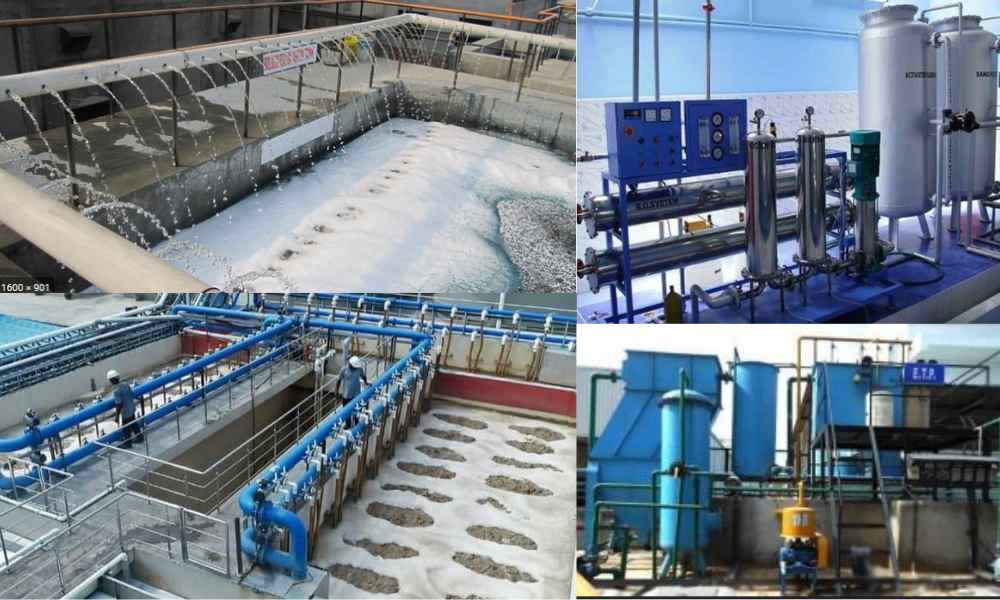
Understanding Water Treatment Technologies: Which Do You Actually Need?
Here's where people get confused. They hear acronyms like ETP, STP, WTP, RO, DM—and it all sounds like alphabet soup. Let me break it down in plain English.
The Main Types of Water Treatment Systems
| System Type | What It Does | Who Needs It | Typical Cost Range | |
|---|---|---|---|---|
| pH | 6.0 - 9.0 | 6.5 - 8.5 | 6.0 - 9.0 | 6.5 - 9.0 |
| BOD (mg/L) | ≤ 150 | ≤ 50 | ≤ 100 | ≤ 50 |
| COD (mg/L) | ≤ 200 | ≤ 200 | ≤ 250 | ≤ 200 |
| TSS (mg/L) | ≤ 150 | ≤ 100 | ≤ 150 | ≤ 150 |
| Colour (Pt-Co) | ≤ 150 | ≤ 100 | - | - |
These are simplified guidelines. Actual standards are more comprehensive and vary based on discharge location (inland surface water vs sewerage system).
How Reliable Suppliers Ensure DOE Compliance
When companies like Pure Water Technology Bangladesh guarantee DOE compliance, here's what that actually means:
- Comprehensive Water Characterisation: They test your source water and wastewater thoroughly to understand exactly what needs to be removed.
- Custom Engineering Design: They design a system specifically to meet your discharge standards with a safety margin—not generic solutions.
- DOE Documentation Support: They prepare all technical documents, drawings, and calculations required for environmental clearance.
- Performance Guarantee Testing: Before handing over, they run the plant and conduct laboratory tests to prove it meets all parameters.
- Operator Training: They train your staff on proper operation to maintain compliance during daily running.
- Ongoing Technical Support: They provide troubleshooting help if discharge quality starts drifting out of specification.
Industry-Specific Water Treatment Challenges in Bangladesh
Different industries face completely different water problems. What works for a hotel won't work for a textile mill. Let me walk you through the major sectors:
Textile and Garment Manufacturing
This is Bangladesh's economic backbone but also our biggest water headache. Textile wastewater is nasty—intense colour from dyes, high chemical oxygen demand, fluctuating pH from various processes, heavy metals from certain dyes.
I've worked with enough textile mills to know: don't even think about cheaping out on a textile ETP. The effluent is too complex. You need proper chemical treatment, possibly colour removal through advanced oxidation or activated carbon, good equalisation to handle batch-to-batch variations, and robust biological treatment.
What You Actually Need: A multi-stage ETP with equalisation tank, chemical treatment, biological treatment, and possibly tertiary treatment for colour removal. Budget minimum ৳25-30 lakh for a small unit, going up to crores for large operations.
Common Mistakes: Undersizing the system to save money (it'll fail during peak production), skipping equalisation (your plant can't handle the variations), using generic designs instead of textile-specific engineering.
Pharmaceutical and Chemical Manufacturing
Pharma has a dual challenge. First, they need ultra-pure water for production—that's where DM plants and multi-stage RO systems come in. Second, their effluent contains complex organic compounds that are difficult to treat.
What You Actually Need: For production water—typically a multi-stage system with pre-treatment, RO, and DM or EDI for final polishing. For effluent—a sophisticated ETP designed for pharmaceutical wastewater, often including advanced oxidation processes.
Pro Tip: Pharmaceutical water systems need extensive documentation for regulatory compliance (both DOE and DGDA). Make sure your supplier understands these documentation requirements.
Food and Beverage Processing
Food industry wastewater is typically high in organic load—BOD can be thousands of mg/L from food particles, oils, sugars, proteins. But the good news is it's generally biodegradable, so biological treatment works well.
What You Actually Need: An ETP or STP with strong biological treatment capability. Grease traps before the main treatment are essential. For drinking water (if you're producing beverages), a WTP with proper filtration and disinfection.
Special Consideration: Food industry wastewater can have huge daily variations depending on production schedules. Your system needs adequate equalisation capacity.
Residential and Commercial Buildings
More and more residential projects and commercial buildings are installing their own treatment systems—partly because of municipal requirements, partly because of water scarcity issues.
What You Actually Need: Typically both a WTP (to treat groundwater or municipal supply for drinking water) and an STP (to treat sewage before discharge or reuse for flushing/gardening).
Key Requirements: The system must be relatively automated (residents won't tolerate complicated operations), odour-free (nobody wants to smell sewage), and compact (space is premium in urban areas).
🎯 Quick Selection Guide:
Textile/Dyeing: Pure Water Technology Bangladesh, EnviroTech Engineering
Pharmaceutical: EnviroTech Engineering, Pure Water Technology Bangladesh
Bottled Water: AquaTech Solutions, Pure Water Technology Bangladesh
Residential: Pure Water Technology Bangladesh, Bengal Aqua Technologies
Municipal/NGO: Bengal Aqua Technologies
Frequently Asked Questions About Water Treatment Plants in Bangladesh
From signing the contract to starting operations, expect 3-6 months for most systems. Here's the breakdown: DOE environmental clearance takes 4-8 weeks, equipment fabrication and procurement takes 6-10 weeks, civil works and installation take 3-5 weeks, commissioning and testing take 1-2 weeks. For large or complex industrial plants, the timeline can stretch to 8-12 months. The key is starting the DOE approval process early—that's often the bottleneck.
Many suppliers offer flexible payment terms—typically 30-40% advance, 30-40% during installation, and 20-30% after successful commissioning. Some banks also provide green financing or environmental compliance loans with favourable terms. If you're an established business with good financials, financing is definitely possible. Companies like Pure Water Technology Bangladesh work with clients to structure payments reasonably.
A well-designed and properly maintained plant should last 15-20 years. However, different components have different lifespans. Pumps typically need replacement every 5-7 years, RO membranes every 3-5 years, control systems every 10-12 years. The structural tanks and piping can last the full 20 years. Think of it like a car—the body lasts decades but you'll replace tyres, batteries, and parts along the way. Budget for periodic component replacements, not just routine maintenance.
It depends on system complexity and size. Small RO systems or water softeners just need periodic checks—your maintenance staff can handle it with basic training. Medium-sized STPs or ETPs typically need one dedicated operator working regular hours. Large industrial plants require 24/7 operation with multiple shifts (2-3 operators). The level of automation also matters—highly automated plants need less constant attention but require operators who can handle the control systems.
DOE typically issues a notice giving you 30-90 days to fix the issues. They'll re-inspect after the correction period. Repeated failures lead to escalating fines and potential operational shutdown. This is exactly why you need a supplier who guarantees compliance—they should immediately investigate and fix any problems at their cost. A reputable supplier's plant shouldn't fail inspections if operated properly.
Yes, but it needs to be planned from the start. Good suppliers design modular systems that can be expanded. This costs slightly more initially but saves enormously compared to replacing everything later. Always discuss your 5-year growth projections during initial design. Some plants can be expanded 50-100% with relatively minor additions. Others would need complete replacement. Make sure your supplier understands and plans for future growth.
Not necessarily—and often they're actually worse for Bangladesh conditions. The best approach is hybrid: imported components for critical items (membranes, high-quality pumps, control systems) but local fabrication for tanks, piping, and structures. This gives you quality where it matters while ensuring spare parts availability and after-sales support. Fully imported systems often struggle with spare parts supply and local service support.
As a rough rule of thumb, annual operating costs (excluding labour) typically run 20-35% of the initial plant cost. So a ৳20 lakh plant might cost ৳4-7 lakh annually to operate. This includes chemicals, electricity, routine maintenance, and testing. More efficient designs cost less to run. Always ask suppliers for a detailed operational cost breakdown before committing—this is where cheap plants often become expensive.
Look for: successful DOE-approved installations (ask for reference project lists), ISO certifications for quality management, technical staff with relevant engineering backgrounds, partnerships with reputable international equipment manufacturers, and membership in industry associations. But honestly, the best verification is visiting their completed projects and talking to existing clients. That tells you more than any certificate.
Red Flags: Suppliers You Should Probably Avoid
I've seen enough bad installations to know the warning signs. If you encounter these red flags, proceed very carefully or just walk away:
Warning Signs of Unreliable Suppliers
They Can't Show You Working Installations: Anyone can show pictures. But if they won't take you to visit actual functioning plants they've installed—especially ones running for 2+ years—that's a huge red flag.
DOE Compliance is "Not Necessary" or "We'll Handle Later": Run. Immediately. DOE compliance must be designed in from the start. Any supplier who treats it casually doesn't understand the regulations or doesn't care about your future problems.
No Clear After-Sales Support Plan: If they can't clearly explain their maintenance support, spare parts availability, and emergency response—they probably don't have any. You'll be stuck when something breaks.
Quotes Seem Too Good to Be True: If one quote is dramatically cheaper than others (like 40-50% less), something's wrong. They're either cutting critical corners, using substandard components, or undersizing the system.
Vague Technical Specifications: Professional suppliers provide detailed technical specifications, process flow diagrams, equipment lists with brands/models. Vague or generic specs suggest they don't really know what they're doing.
No Testing or Performance Guarantee: Legitimate suppliers guarantee their plants will meet discharge standards and conduct testing to prove it. If there's no performance guarantee, you're taking all the risk.
Making the Final Decision: A Practical Checklist
Right, you've done your research, got some quotes, maybe visited a few installations. How do you actually make the final decision? Here's my checklist:
Before Signing Any Contract, Verify:
- Technical Adequacy: Does the proposed system actually address your specific water quality challenges? Get it reviewed by an independent consultant if you're not sure.
- DOE Approval Path: Is there a clear plan for obtaining environmental clearance? Who handles the documentation? What's included in the quoted price?
- Complete Cost Understanding: Do you have a detailed breakdown of not just installation costs but also operational costs, maintenance requirements, and consumables?
- Timeline Clarity: What's the realistic timeline for each phase? What are the dependencies? What happens if there are delays?
- After-Sales Support: What exactly is covered? Response times? Spare parts availability? Annual maintenance contracts? Get it in writing.
- Performance Guarantee: What parameters are guaranteed? How is compliance verified? What happens if the plant doesn't meet specifications?
- References: Have you spoken with at least 2-3 existing clients? Have you visited their installations? What was their experience?
- Payment Terms: Are the payment milestones reasonable and tied to actual progress? Is there adequate retention until final commissioning?
💡 Final Advice:
Don't make this decision purely on price. Factor in the supplier's track record, technical capability, and support infrastructure. A supplier who'll be there in five years when you need help is worth more than one who offers the lowest initial quote but disappears after installation. Companies like Pure Water Technology Bangladesh have proven staying power and comprehensive support—that matters.
Looking Ahead: Water Treatment Trends in Bangladesh for 2026 and Beyond
The water treatment landscape in Bangladesh is evolving rapidly. Here's what I'm seeing on the horizon:
Increasing Focus on Water Reuse
Water scarcity is getting real. More industries are looking at treating their wastewater not just for discharge, but for reuse within their processes. Technologies like membrane bioreactors (MBR) and advanced oxidation are making this economically viable.
Stricter Environmental Enforcement
DOE is getting more serious about compliance. Random inspections are increasing. Penalties are getting stiffer. International buyers are demanding environmental certifications. This trend will only accelerate.
Technology Becoming More Accessible
Advanced treatment technologies that were once prohibitively expensive are becoming more affordable. Local suppliers are partnering with international technology providers to bring cutting-edge solutions to Bangladesh.
Emphasis on Energy Efficiency
With electricity costs rising, energy-efficient treatment systems are becoming crucial. Suppliers are incorporating variable frequency drives, optimised aeration systems, and energy recovery devices.
Automation and Remote Monitoring
More plants are being equipped with automated controls and remote monitoring capabilities. This reduces labour requirements and helps maintain consistent treatment performance.
Ready to Find the Right Water Treatment Solution?
Don't let water quality challenges hold your business back. Whether you're dealing with industrial effluent, need clean drinking water, or require DOE-compliant treatment systems—the right supplier makes all the difference.
Get started by contacting a trusted supplier:
Pure Water Technology Bangladesh
📞 +8801760449180
📧 pwtbangladesh@gmail.com
🌐 www.etp-plant.com
Final Thoughts: Investing in Clean Water is Investing in Bangladesh's Future
Look, I've spent this entire article talking about technical specs, costs, and suppliers. But let me end with something bigger.
Every water treatment plant installed in Bangladesh—whether it's a small STP in a residential complex or a massive ETP in an industrial park—is a step toward a cleaner, healthier country. It's about protecting our rivers, safeguarding public health, and ensuring sustainable development.
When you choose to invest in proper water treatment, when you pick a reliable supplier over the cheapest option, when you prioritise DOE compliance—you're not just protecting your business. You're contributing to something much larger.
Bangladesh's water crisis is serious, but it's not insurmountable. We have the technology. We have capable suppliers. We have the regulatory framework. What we need is commitment—from businesses, from institutions, from all of us—to treat water with the respect it deserves.
So yes, do your research. Compare suppliers carefully. Understand the costs. But also remember: clean water isn't a luxury or an optional expense—it's fundamental infrastructure that our country desperately needs.
Make the right choice. Your future self will thank you. And so will the community around you.
Note: Costs vary significantly based on capacity, level of automation, water quality challenges, and specific site requirements. These are approximate ranges for reference.
How to Actually Figure Out What You Need
This is where most people go wrong—they assume they know what they need without proper assessment. Here's my recommended process:
Step 1: Get Your Water Tested
Don't guess. Get a comprehensive water analysis from a certified lab. You need to know exactly what contaminants you're dealing with—TDS, hardness, pH, heavy metals, organic load, whatever's relevant to your source.
Step 2: Understand Your End-Use Requirements
Drinking water needs different treatment than boiler feed water. Industrial process water has different specs than irrigation water. Be clear about what quality you need to achieve.
Step 3: Know Your Discharge Standards
If you're treating wastewater, DOE has specific discharge standards based on your industry. These aren't optional—your plant must meet them. A good supplier will design specifically to achieve these parameters with a safety margin.
Step 4: Consider Future Growth
Are you planning to expand? Will your water demand increase? It's much cheaper to design for moderate growth upfront than to replace the entire system later.
The Real Cost of Water Treatment (What Quotations Don't Tell You)
Okay, this section might save you lakhs of taka. Seriously.
Most people compare water treatment plants purely on initial cost. They get three quotes—৳10 lakh, ৳15 lakh, ৳12 lakh—and go with the cheapest. But that's like buying a car based only on the sticker price without considering fuel efficiency, maintenance costs, or reliability.
Hidden Operating Costs That Add Up Fast
Chemical Consumption: Some treatment processes are chemical-intensive. I've seen ETPs where monthly chemical costs run to ৳40,000-50,000. Over a year, that's ৳5-6 lakh—and it never stops. Better designs use less chemicals or biological processes that are cheaper to operate.
Electricity Bills: Pumps, blowers, mixers—they all consume power. A poorly designed plant with inefficient equipment can easily cost you ৳30,000-80,000 monthly in electricity. That's nearly ৳10 lakh annually. Energy-efficient designs pay for themselves.
Maintenance and Repairs: If your supplier doesn't stock spare parts locally, you're looking at weeks of downtime and expensive imports. I know a factory that had to shut down production for three weeks waiting for a specialised membrane from abroad. The losses? Way more than the savings from choosing a cheap supplier initially.
Operator Salaries: Some plants need 24/7 operation with multiple operators. That's 3-4 salaries you're paying indefinitely. More automated systems might cost more upfront but can save you lakhs annually in labour costs.
Testing and Compliance: DOE requires regular water quality testing by approved labs. Budget ৳25,000-40,000 annually for this. Non-negotiable cost, but often forgotten in initial planning.
Calculating Total Cost of Ownership
Here's how you should actually evaluate quotes:
| Cost Component | Year 1 | Years 2-5 (Annual) | 5-Year Total |
|---|---|---|---|
| Initial Installation | ৳15,00,000 | - | ৳15,00,000 |
| Chemicals & Consumables | ৳4,20,000 | ৳4,20,000 | ৳21,00,000 |
| Electricity | ৳6,00,000 | ৳6,00,000 | ৳30,00,000 |
| Maintenance & Spares | ৳2,00,000 | ৳2,50,000 | ৳12,00,000 |
| Operator Salaries | ৳3,60,000 | ৳3,60,000 | ৳18,00,000 |
| Testing & Compliance | ৳30,000 | ৳35,000 | ৳1,70,000 |
| TOTAL | ৳31,10,000 | ৳16,65,000 | ৳97,70,000 |
See what happened there? The initial ৳15 lakh investment becomes ৳97.7 lakh over five years. This is why operational efficiency matters more than initial cost.
⚠️ Real Example:
I compared two ETP quotes for a textile client. Quote A: ৳18 lakh initial cost, energy-efficient design, biological treatment. Quote B: ৳13 lakh initial cost, older technology, chemical-heavy process. Over five years, Quote A cost ৳72 lakh total. Quote B cost ৳89 lakh total. The "expensive" quote actually saved ৳17 lakh long-term.

DOE Compliance: The Non-Negotiable Stuff You Must Know
Alright, let's talk about the Department of Environment. This isn't bureaucratic hassle you can ignore—this is serious business that can make or break your operation.
I've seen factories get shut down. I've seen fines that ran into tens of lakhs. I've seen export orders cancelled because buyers questioned environmental compliance. All because someone tried to cut corners on DOE regulations.
What DOE Actually Requires for Water Treatment Plants
Environmental Clearance Certificate (ECC): Before you install any significant water treatment system, you need DOE approval. This requires submitting detailed design documents, process flow diagrams, and environmental impact assessments.
Discharge Standards Compliance: DOE sets specific limits for various parameters—pH, BOD, COD, TSS, heavy metals, colour, toxicity, etc. These vary by industry sector. Your treated water must consistently meet these standards.
Regular Monitoring and Reporting: You're required to maintain daily operational logs, conduct monthly water quality testing through DOE-approved laboratories, and submit quarterly compliance reports.
Periodic Inspections: DOE officials can inspect your facility at any time. Your plant must be operational and meeting discharge standards during these visits.
Industry-Specific Discharge Standards
| Parameter | Textile Industry | Pharmaceutical | Food Processing | General Industry |
|---|